Custom CNC Machining: From Prototyping to Production Runs
Custom CNC machining is what you need when an off the shelf part simply does not exist for your problem. Maybe you invented something new. Maybe an old machine needs a component nobody sells anymore.
Either way, the worry is the same. Will they understand my idea, and can they make it right? This article follows a part from first sketch to finished run, so the path feels clear before you start.
Starting With an Idea, Not a Blueprint
You do not need a perfect engineering drawing to begin. A sketch, a sample, or a clear description of what the part must do is often enough. The early conversation is where custom CNC machining really starts, because the goal is to understand the job, not just the geometry.
This matters most for first time inventors and small shops. Bringing a rough concept and leaving with a workable design is normal. A good shop asks what the part does and where it fits, then helps shape the details that make it manufacturable.
Prototyping Without the Pressure
The prototype stage is for learning cheaply. Making one part, holding it, and testing it in the real world tells you things a screen never will. If a change is needed, it happens now, before any tooling or volume is committed.
Design and verification in SolidWorks and CAMWorks let the shop check a program before cutting metal, which keeps early samples accurate. You can see the equipment behind this on the machine work capabilities page. Good custom CNC machining treats the first article as a conversation, not a final answer.
Milling, Turning, and the Right Tool for the Part
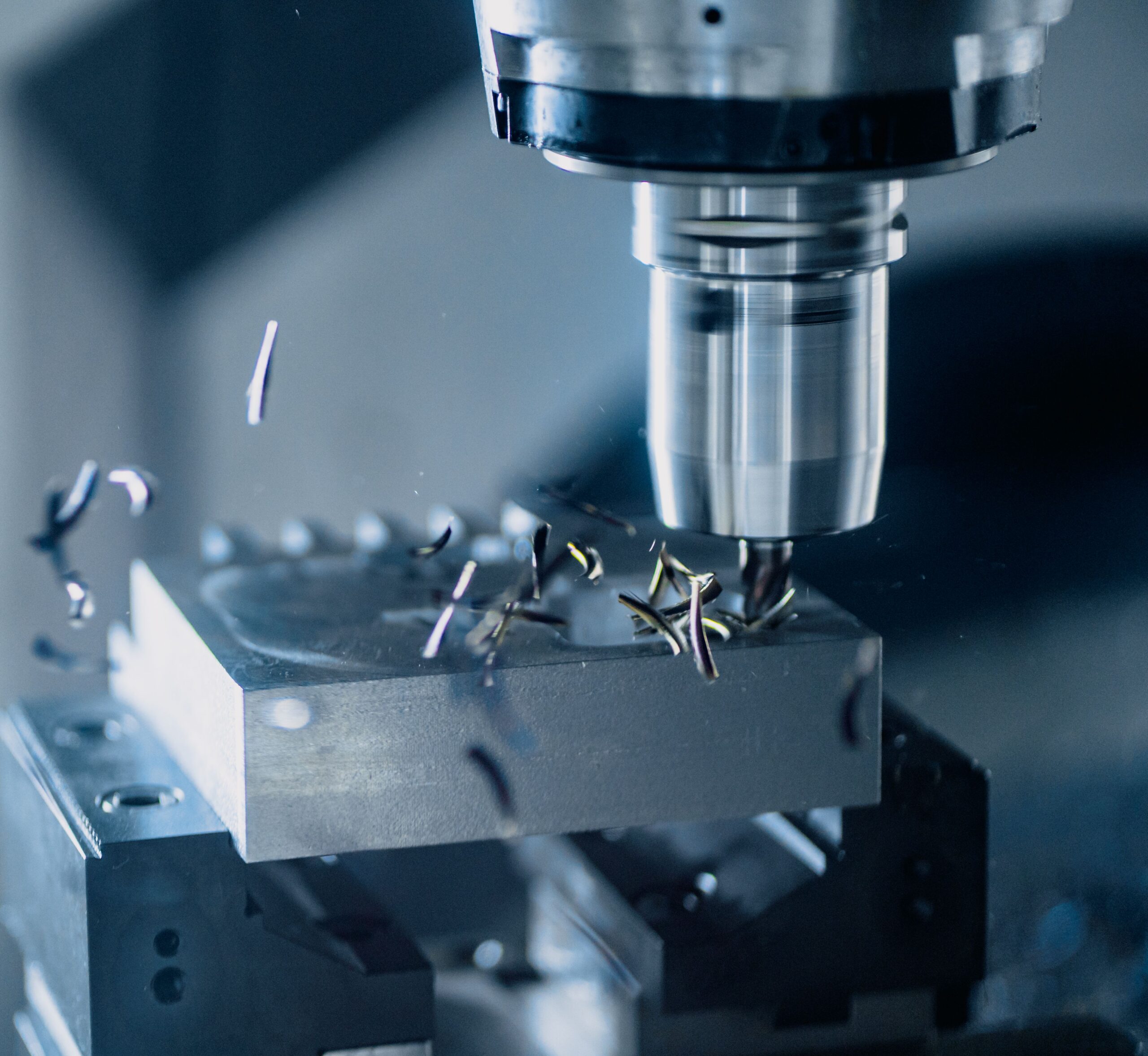
Different parts want different processes. Turning is for round work like shafts, pins, and bushings, and the Doosan Lynx centers with live tooling can add flats, holes, and features in one setup. Milling handles flat and prismatic parts, pockets, and complex faces across three and four axes.
The material matters as much as the shape. A prototype in a common stainless like Grade 17-4 behaves very differently from one in a tough Nickel Alloy Inconel, and the plan changes to suit it.
Most real parts use a bit of both. The value of custom CNC machining is picking the process that fits your part instead of forcing your part to fit one machine. That flexibility is what keeps quality high and cost sensible as a design gets more involved.
When Fabrication and Welding Join In
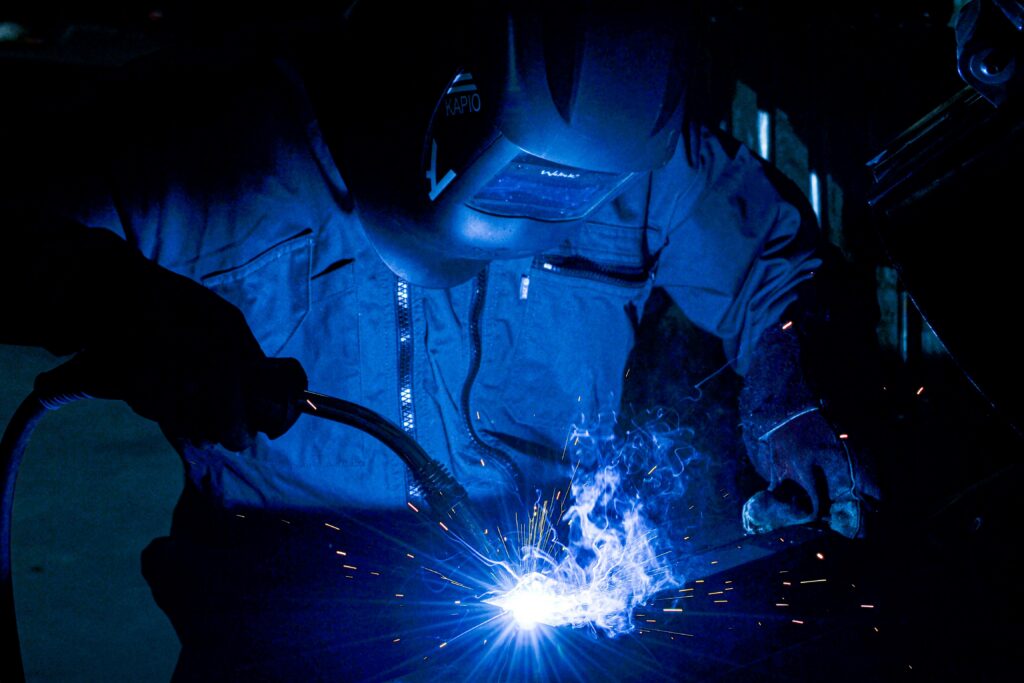
Not every part is finished at the machine. Some need welding, assembly, or a fabricated frame to become a complete unit. In house welding covers stick, MIG, and TIG work on stainless, titanium, and aluminum, which rounds out the machining side nicely.
Keeping fabrication in house means one team stays responsible for the whole build. For anyone relying on custom CNC machining for a complete assembly rather than loose parts, that single point of accountability saves headaches and finger pointing later.
Scaling Up to Production
Once a prototype is proven, volume is the next step. Automated turning centers with bar feeders make runs from a couple dozen to well over ten thousand parts practical, and consistency holds from the first piece to the last.
This is the payoff of doing prototyping and production in the same place. The lessons from the first article carry straight into the run, so custom CNC machining scales without starting the learning curve over. The team already knows your part, your material, and your tolerances.
You can see how varied finished projects look in the shop gallery, which shows the jump from single ideas to real, repeatable parts.
Where Real Projects Prove It Out
Examples make this concrete. The shop’s portfolio includes a machine that drives six screws at once, built from a client sketch, and a specialty ring gauge made to replace a worn one at half a thousandth accuracy. That same precision lives on in the CW Instruments line. Both started as a problem, not a part number.
That is the heart of what Saylors Machine & Design Works does, turning a described need into a made object. Whether the run is one piece or thousands, custom CNC machining is about solving the specific problem in front of you, not selling a stock item.
Frequently Asked Questions (FAQs)
1. Do I Need a CAD File to Get a Custom Part Made?
No. A sketch, a physical sample, or a clear description with key dimensions is enough to begin. The shop can develop a proper design in SolidWorks from your idea before any metal is cut.
2. How Long Does a Prototype Take?
It varies with complexity and workload, but prototypes are handled as focused jobs so you can test and adjust quickly. Getting the first article right is treated as the foundation for any production run that follows.
3. Can the Same Shop Do Both Milling and Turning?
Yes. Turning centers handle round parts and milling machines handle flat and complex parts, and many jobs use both. Matching the process to the part is a core part of good custom CNC machining.
4. What If My Part Also Needs Welding or Assembly?
That is handled in house. Stick, MIG, and TIG welding on stainless, titanium, and aluminum let the shop deliver a finished assembly instead of loose components, keeping one team accountable for the whole build.
5. Can You Grow With My Product From Prototype to Volume?
Yes. Once a prototype is proven, automated turning supports runs into the thousands. Doing both stages in one place means custom CNC machining moves from first article to full production without restarting the learning curve.